
| AddFocus Function | ||

|
||
|
Assign a tag to a particular area of the current page.
|

Syntax
|
[C#]
|
Params
|
Notes
|
Assign a tag to a particular area of the current page. Tagging is generally performed most easily by using the Open and Close methods as content is added. However for some purposes it can be simpler to assign tags to areas on a page. This is particularly the case when you are analyzing an existing document rather than adding content yourself. This method allows you to specify areas of the document to which a particular tag should be applied. You can overlap areas and the page content will be broken up to fit the overlapped shapes. Text on a page will be tagged using the most recent area which intersects with that text.
|
Example
|
The following code adds sequence of tagged areas to a page. We first delete any existing structure so we have a clean slate. The first Artifact covers the entire page so that anything which is not tagged later will become an artifact. The next tags create a nested sequence of H1, H2 and P elements.
using var doc = new Doc();
doc.Read("../Rez/spacex_nasa_dragon.pdf");
Atom.RemoveItem(doc.ObjectSoup.Catalog.Atom, "StructTreeRoot");
var st = doc.Tag.GetStructure();
st.Detag();
st.Title = "SpaceX NASA Dragon";
st.CreateAsRequired();
var div = st.Root.AddKid("Document").AddKid("Div");
var artifact = new StructureElementElement(div) { EntryS = "Artifact" };
doc.Tag.AddFocus(artifact, doc.Rect).AddMcids = false;
var h1 = doc.Tag.AddFocus(div.AddKid("H1"), XRect.FromSides(0, 650, 600, 710)).Tag;
var h2 = doc.Tag.AddFocus(div.AddKid("H2"), XRect.FromSides(0, 620, 600, 650)).Tag;
doc.Tag.AddFocus(h2.AddKid("P"), XRect.FromSides(0, 580, 600, 620));
doc.Tag.AddFocus(h2.AddKid("P"), XRect.FromSides(0, 500, 600, 580));
doc.Tag.AddFocus(h2.AddKid("P"), XRect.FromSides(0, 440, 600, 500));
doc.Tag.AddFocus(h2.AddKid("P"), XRect.FromSides(0, 360, 600, 440));
doc.Tag.AddFocus(h2.AddKid("P"), XRect.FromSides(0, 270, 600, 360));
doc.Tag.AddFocus(h2.AddKid("P"), XRect.FromSides(0, 200, 600, 270));
doc.Tag.AddFocus(h2.AddKid("P"), XRect.FromSides(0, 100, 600, 200));
var focus = doc.Tag.AddFocus(div.AddKid("Figure"), XRect.FromSides(360, 480, 600, 650));
focus.Tag.EntryAlt = "Spacecraft in orbit over earth.";
// in later versions, instead of the next five lines, you can just use ...
var layout = new StandardLayoutAttributesElement(focus.Tag);
layout.EntryO = "Layout";
layout.EntryBBox = new RectangleElement(ArrayAtom.FromXRect(focus.Bounds), focus.Tag.Host);
focus.Tag.EntryA = new ArrayElement<Element>(focus.Tag);
focus.Tag.EntryA.Add(layout);
// ... focus.Tag.SetBBox(focus.Bounds);
doc.Tag.MakePdfUAConformant = true;
doc.Save("taggedarea.pdf");
st.UpdateActualText(true, true);
var txt = st.ExtractStructure();
File.WriteAllText("taggedarea.txt", txt.ToString());
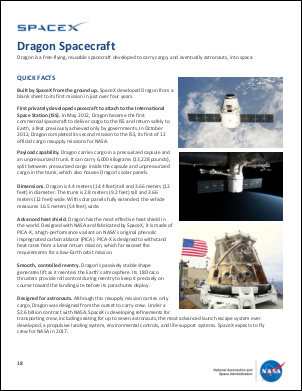 taggedarea.pdf The output tag structure from the ExtractStructure call will be something like this,
|